Welcome to “A Quick Guide to Bed Bugs in Dallas,” your comprehensive resource for understanding and tackling one of the most unwelcome house guests in Texas – bed bugs. This in-depth article is designed to walk you through everything you need to know about bed bugs in the Dallas area, from identification and prevention to professional extermination.
Let’s dive into this pest problem and learn how you can reclaim the comfort of your home with the help of Top Spot Pest Control.
1. Understanding Bed Bugs
Bed bugs are small, elusive pests that have become increasingly common in Dallas and many other cities around the United States. They are expert hitchhikers, moving from place to place with ease, which is why infestations can occur anywhere – from homes and apartments to hotels and public transportation.
These tiny insects feed on human blood, often leaving itchy, red bites on the skin. Due to their nocturnal nature and small size, bed bugs can be difficult to detect, making them a particularly frustrating pest to eliminate.
2. Identifying Bed Bugs in Your Home
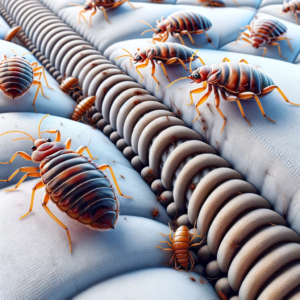
Spotting a bed bug infestation early is key to effective management. These pests are about the size and shape of an apple seed, with a brownish color that turns reddish after feeding. You may notice signs of bed bugs, such as small blood stains on your sheets, tiny dark spots of excrement, or shed skins.
Regular inspection of your sleeping areas and furniture is essential. Pay special attention to mattress seams, box springs, bed frames, and headboards where bed bugs tend to hide.
3. The Life Cycle of Bed Bugs
Understanding the life cycle of bed bugs is crucial in combating an infestation. They go through several stages: from eggs to nymphs, and finally, to adults. Female bed bugs can lay hundreds of eggs over their lifetime, and these eggs hatch within one to two weeks.
Nymphs, which look like miniature adults, must feed on blood to grow. They molt five times before reaching maturity, a process that can take as little as one month with optimal conditions such as warmth and regular feeding.
4. Common Bed Bug Hideouts
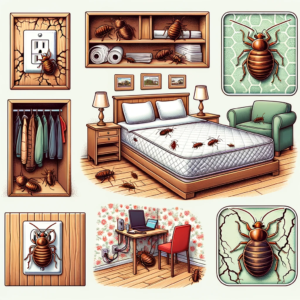
Bed bugs are experts at staying out of sight during the day. Aside from beds, they can be found in a variety of places within a home. These include upholstered furniture, behind wall hangings, inside electrical outlets, and even in electronics. In severe infestations, they may spread to nearby units in multi-dwelling buildings.
5. Effective Bed Bug Prevention Tips
Preventing bed bugs starts with vigilance. When traveling, inspect hotel rooms for signs of bed bugs and keep luggage off the floor. Use protective covers for mattresses and box springs at home. Decluttering and vacuuming regularly can also help reduce hiding spots for these pests.
If you live in an apartment complex, be mindful of shared laundry facilities and common areas, as bed bugs can travel between units. Encasing pillows and mattresses, reducing clutter, and sealing cracks and crevices are also important preventive measures.
6. DIY Bed Bug Removal: Pros and Cons
While there are DIY methods for bed bug removal, such as heat treatments, pesticides, and desiccants, these can be risky and less effective than professional treatments. Incorrect use of pesticides can lead to health hazards and potentially spread the infestation.
7. Professional Bed Bug Extermination
Professional extermination is often the most reliable way to eliminate bed bugs. Experienced pest control services, like Top Spot Pest Control, have access to specialized equipment and knowledge to treat bed bug infestations effectively.
Professionals employ a combination of treatments, such as heat treatments, chemical treatments, and steam treatments, to address all life stages of bed bugs. Follow-up visits ensure that the infestation is completely eradicated.
8. Post-Extermination: Ensuring Bed Bugs Don’t Return
After a professional extermination, it’s important to maintain a bed bug-free environment. Continue to use protective covers, inspect second-hand furniture before bringing it into your home, and stay vigilant for signs of bed bugs. Regular communication with your pest control professional can also help prevent future infestations.
9. When to Call Top Spot Pest Control
If you suspect you have a bed bug problem, don’t wait to seek professional help. Contact Top Spot Pest Control at (214) 336-4947 for a thorough inspection and effective treatment plan. Our team is committed to restoring your peace of mind and comfort in your home.
Remember, the sooner you address a bed bug infestation, the easier it is to control. Reach out today and let us help you get back to a bed bug-free life.
10. FAQs About Bed Bugs in Dallas
Have more questions about bed bugs in Dallas? Here are some frequently asked questions to help you stay informed:
- How quickly can bed bugs spread?
- Bed bugs can spread rapidly within a dwelling, especially in multi-unit buildings. They can move between rooms or units within a matter of days.
- Can bed bugs transmit diseases?
- No, bed bugs are not known to transmit diseases to humans. However, their bites can cause discomfort, allergic reactions, and sleep disturbances.
- Are bed bugs only found in beds?
- Despite their name, bed bugs can be found in various locations, not just beds. They can inhabit any place where people spend prolonged periods, such as couches or public seating.



0 Comments